
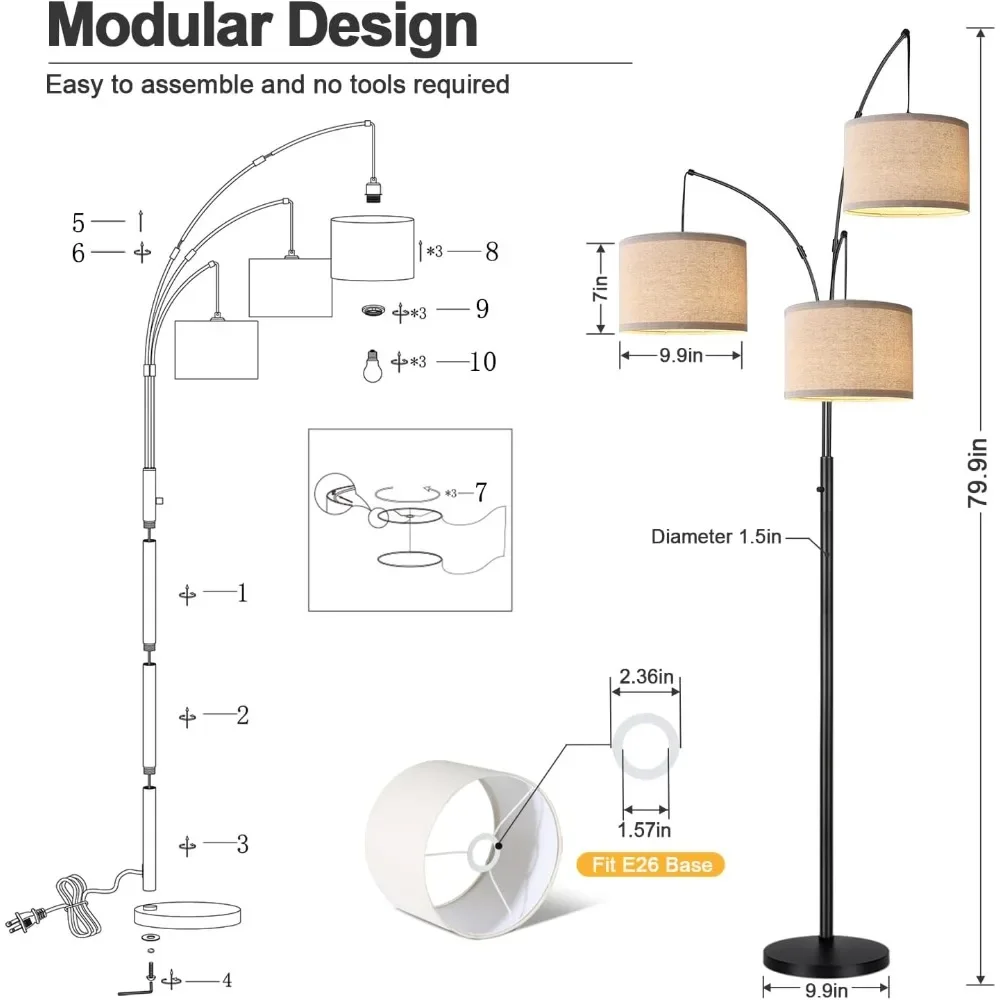
Introduction to Lamp Anatomy and Metal Components
Lamps are more than just sources of light—they’re carefully engineered objects with multiple components working together, many of which are made of metal for durability and functionality. Understanding these metal parts is essential for anyone who owns lamps, whether you’re troubleshooting a problem, looking to replace a component, or simply appreciating the craftsmanship behind your lighting fixtures.
Metal components serve three critical purposes in lamps: structural support, electrical functionality, and decorative appeal. Without properly designed metal parts, lamps would lack stability, electrical safety, and much of their aesthetic charm. Studies show that nearly 85% of household lamps contain at least five replaceable metal components, and proper maintenance of these parts can extend a lamp’s lifespan by 5-10 years.
In this comprehensive guide, we’ll identify and explain every metal part you might encounter in various lamp types, from standard table lamps to specialized floor lamps. We’ll cover structural components like bases and stems, electrical elements like sockets and switches, and decorative pieces like finials and harps. Understanding these components is vital when choosing the perfect arc floor lamp for your space, as it helps you assess quality and functionality.
Let’s illuminate the mystery behind these essential metal components and give you the knowledge to identify, maintain, and appreciate them.
Visual Guide: Essential Metal Parts of a Standard Lamp
Before diving into detailed descriptions of each component, let’s get familiar with the basic anatomy of a standard lamp. The diagram below shows the primary metal components you’ll find in most typical table lamps.
A standard lamp consists of several interconnected metal parts that work as a unified system. At the bottom, you’ll find the base, providing stability. The stem rises from the base, housing the electrical wiring while providing structural support. At the top of the stem sits the socket assembly, which holds the lightbulb and often includes a switch mechanism. Surrounding the bulb is the harp, a U-shaped metal frame that supports the lampshade, topped with a decorative finial that secures everything in place.
Traditionally, these components are crafted from metals like brass, steel, bronze, or aluminum—each chosen for specific properties. Heavier metals like brass and bronze are often used for bases to provide stability, while lighter metals might be used for harps and other upper components.
The most frequently replaced metal parts include the harp (which can bend), the socket (which can wear out electrically), and the finial (which can be lost during shade changes). Understanding these metal parts of a lamp will help you make informed decisions about repairs, replacements, or new purchases.
The Lamp Base: Foundation and Stability
The lamp base is the foundation of any lamp, providing the stability needed to keep your lighting fixture upright and secure. This critical component is almost always made of metal or contains significant metal elements, even when covered with decorative materials.
Common metals used for lamp bases include:
- Cast iron: Extremely heavy and stable, ideal for tall lamps
- Brass: Offers a good balance of weight and decorative appeal
- Bronze: Similar to brass but with different coloration and patina potential
- Steel: Provides strength with moderate weight
- Zinc alloys: Often used in less expensive lamps while maintaining adequate weight
Inside most metal lamp bases, you’ll find additional weighted materials like concrete or sand to enhance stability. This is particularly important for taller lamps—a 72-inch floor lamp requires substantially more base weight than a 16-inch table lamp to maintain the same stability.
The base typically connects to the stem via threaded components that allow for secure assembly while permitting disassembly for repairs or transportation. These threading systems are standardized in most modern lamps, though antique pieces may have proprietary designs.
Base designs vary widely, from simple flat discs to ornate pedestal styles or modern tripod configurations. The shape and weight distribution directly affect stability—designs with wider footprints generally provide better balance than narrow ones of the same weight. Our collection of marble base arc floor lamps showcases how combining metal with natural stone creates both stability and sophisticated style.
The Lamp Stem/Rod/Column: Structural Support
The vertical component that rises from the base of a lamp goes by several names—stem, rod, or column—but serves the same crucial purpose: providing structural support while housing the electrical wiring. This metal component literally forms the backbone of your lamp.
Standard lamp stems typically measure between ⅜ inch to ½ inch (9.5mm to 12.7mm) in diameter, though decorative and specialty lamps may feature thicker or shaped versions. The most common metals used include:
- Steel: Provides excellent strength and rigidity
- Brass: Offers both structural integrity and decorative appeal
- Aluminum: Lighter weight option, often used in modern designs
Lamp stems serve dual purposes: structural support and electrical conduit. The hollow center houses and protects the electrical wiring running from the plug to the socket. Some high-end lamps feature solid stems with pre-drilled channels for wiring, while most use hollow tubing.
Surface finishes vary widely, including:
– Brushed metals for a subtle, modern look
– Highly polished finishes for a reflective, formal appearance
– Painted or powder-coated surfaces for color coordination
– Antiqued or distressed finishes for vintage appeal
The construction method of the stem significantly impacts both assembly and repair options. Threaded stems can be disassembled for maintenance, while solid or welded stems create a more permanent structure. When comparing design options, the contrast between wooden arc floor lamps and metal-stemmed models highlights how material choice affects both aesthetics and functionality.
The Lamp Socket Assembly: Electrical Components
The socket assembly is perhaps the most technically complex metal component of any lamp, housing the electrical connections that power your bulb. This critical component consists primarily of metal parts designed for electrical conductivity, heat dissipation, and durability.
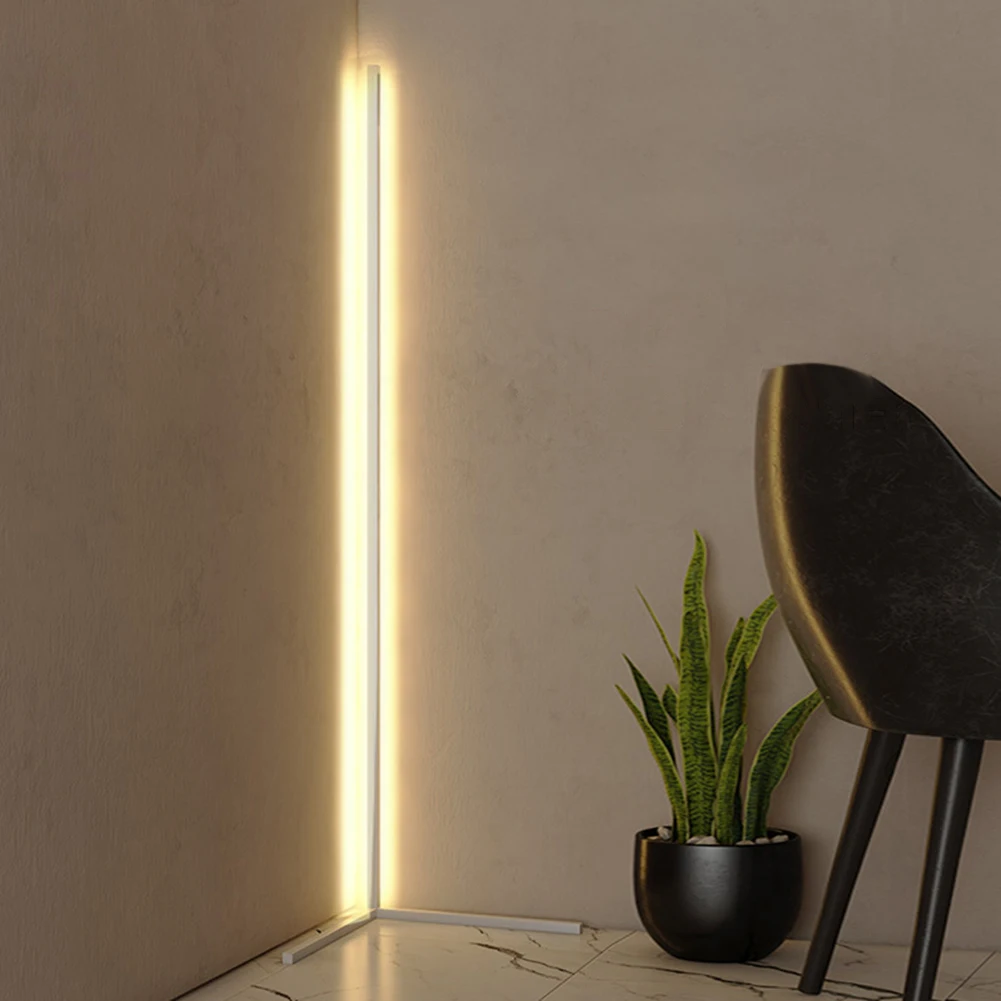
Standard lamp sockets in North America typically use E26 (26mm diameter) threading, while European standards often use E27 (27mm). The socket assembly consists of three main components:
- The metal shell: Usually made of brass, aluminum, or plated steel, this outer casing provides structure and sometimes acts as part of the electrical path
- The insulator: Ceramic or heat-resistant plastic that separates the electrical contacts
- Metal contacts: Brass or copper components that connect to the bulb and wiring
Socket switches come in several varieties, all containing metal components:
– Push-through switches use spring-loaded metal contacts
– Rotary switches employ a rotating metal contact plate
– Three-way switches contain additional contact points for multiple brightness settings
The metal used in socket components must meet strict UL safety standards for electrical conductivity and heat resistance. Brass is particularly common because it conducts electricity efficiently while resisting corrosion and withstanding high temperatures from incandescent bulbs.
Our collection of bronze arc floor lamps features quality socket assemblies that showcase how proper metal component selection contributes to both safety and longevity in premium lighting fixtures.
The Lamp Harp and Saddle: Shade Support System
The lamp harp is the U-shaped wire frame that surrounds the bulb and supports the lampshade. This metal component is paired with the saddle, a small attachment piece that connects the harp to the socket. Together, these create the shade support system.
Harps are typically made from steel wire, often with nickel, brass, or bronze plating for both decorative purposes and corrosion resistance. They come in standard sizes measured by height:
– 6-inch harps for small lamps
– 8-inch harps for medium lamps
– 10-inch harps for larger table lamps
– 12-inch and larger for floor lamps
To measure a harp correctly, you should measure the vertical height from the bottom of the U where it connects to the saddle up to the threaded top that accepts the finial.
Variations in harp styles include:
– Traditional round harps with uniform wire thickness
– Heavy-duty harps with thicker gauge wire for larger shades
– Specialty harps with decorative elements or unusual shapes
– Adjustable harps that can be configured to different heights
The saddle is a small but critical component that clips onto the socket, providing attachment points for the harp’s two lower ends. Most saddles are made of spring steel or brass and designed to grip firmly while allowing the harp to be removed when needed.
The harp system is designed to properly position the shade around the bulb—too close and the shade may scorch, too far and the light distribution becomes ineffective. Our collection of brass arc floor lamps demonstrates how quality metal harps contribute to both functionality and design harmony.
The Finial: Decorative Fastener
The finial is the decorative cap that sits atop the lamp harp and secures the lampshade in place. This small but important metal component serves both practical and aesthetic purposes.
Most lamp finials feature standardized threading—typically ⅜-27 thread in the US and UK (indicating 27 threads per inch on a ⅜-inch diameter post) or 10mm metric threading in other regions. This standardization allows for interchangeability, making finials one of the easiest lamp components to customize.
Common metals used for finials include:
– Brass: Traditional, durable, and develops an attractive patina over time
– Steel: Often plated with nickel, chrome, or other finishes for durability
– Bronze: Offers a distinctive appearance with aging potential
– Aluminum: Lightweight and used in more contemporary designs
Finials range from simple spheres or caps to elaborate decorative pieces featuring intricate designs, crystal elements, or even semi-precious stones. Beyond their functional role of securing the shade, finials serve as the lamp’s “jewelry”—a small but impactful design element that can complement the lamp’s style or make a contrasting statement.
Collectors often swap finials seasonally or when changing decor, taking advantage of this easily customizable element. The purpose and evolution of arc lamps has influenced finial design, with modern lamps often featuring sleeker, more minimalist options compared to the ornate styles of traditional or vintage lamps.
Lampshade Frames and Fitters: Metal Structures
The internal structure of most lampshades consists of a metal frame that determines its shape and provides attachment points to the lamp. These metal frames are typically made from steel wire, though copper is sometimes used in higher-end or specialty shades.
Lampshade fitters are the metal components at the top and bottom of the shade that connect it to the lamp. There are three primary types:
- Spider fitters: The most common type, featuring metal cross-pieces that converge at a central ring, which fits over the harp and is secured by the finial
- Uno fitters: A single metal ring that fits directly onto the socket, bypassing the harp entirely
- Clip-on fitters: Spring-loaded metal clips that attach directly to the light bulb
These frames determine not just how the shade connects to the lamp but also define its shape. Common frame styles include:
– Drum frames: Cylindrical shapes with equal width top and bottom
– Empire frames: Cone shapes that are wider at the bottom
– Bell frames: Curved outward designs resembling a bell
– Rectangular frames: With straight sides for more contemporary looks
The frame design affects both the shade’s appearance and how light diffuses through it. Heavier frames allow for larger shades, while lighter wire frames are used for delicate fabrics or papers. Our metal finish arc floor lamps collection showcases how the metal components of both the lamp and shade can be coordinated for a cohesive design statement.
Metal Components in the Lamp Cord Set
While often overlooked, the lamp cord set contains several essential metal components critical to electrical function and safety. These metal elements are primarily hidden but play vital roles in power delivery.
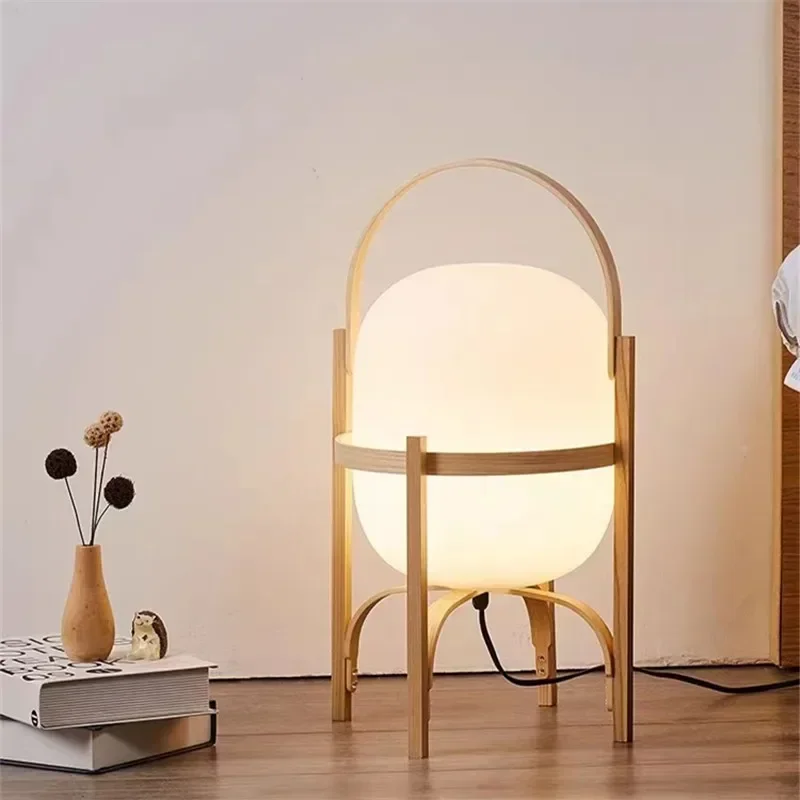
The main metal components in lamp cords include:
- Plug prongs: Typically made of brass or copper-plated metal for excellent conductivity and corrosion resistance
- Terminal connections: Where the cord connects to the socket, usually brass or copper contacts
- Strain relief components: Small metal clamps or springs that prevent the cord from being damaged at entry points
- Switch contacts: In corded switches, metal contact plates make or break the electrical circuit
Modern polarized plugs feature one wider prong, ensuring correct polarity for safety. The metal used in these components must meet electrical safety standards for conductivity, heat resistance, and durability.
Standard lamp cords typically use 18-gauge wire, though heavier 16-gauge may be used for larger lamps drawing more current. The metal strands inside the wire are usually copper due to its excellent conductivity.
Signs of compromised metal cord components include:
– Discoloration at connection points (indicating heat damage)
– Corrosion on plug prongs
– Loose connections at the socket
– Intermittent function when the cord is moved
These issues should be addressed promptly by replacing the affected components or the entire cord set to maintain electrical safety.
Specialized Metal Components in Different Lamp Types
Different lamp styles feature specialized metal components designed for their unique functions and aesthetic requirements.
Task and Desk Lamps
Task lamps often include articulated arms with multiple joints, tension springs, and counterweights. These components are typically made from aluminum or steel and allow for precise positioning of the light source. The spring mechanisms use specially tempered steel to maintain tension over thousands of adjustments.
Floor Lamps
Floor lamps require heavier gauge metal in their bases and stems for stability. Arc floor lamps feature long, curved metal arms supported by counterweighted bases. Telescoping floor lamps contain nested metal tubes with locking mechanisms for height adjustment.
Wall Sconces and Ceiling Fixtures
These fixtures include specialized mounting hardware—metal backplates, brackets, and screws designed to support the fixture’s weight while hiding electrical connections. These components are usually steel or brass and must meet building codes for load-bearing capacity.
Specialty Lamps
Piano lamps feature extra-wide metal bases designed to slide under keyboard covers, while pharmacy lamps include precision-balanced articulating arms with multiple adjustment points. Banker’s lamps typically include green glass shades with specialized metal fitters.
Antique Lamps
Converted oil or kerosene lamps contain unique metal components like font chambers, wick adjusters, and chimney holders that have been adapted for electrical use. These often feature brass, copper, or cast iron components with intricate detailing not found in modern lamps.
When evaluating what to look for in an arc floor lamp, understanding these specialized metal components helps in assessing quality and suitability for your specific needs.
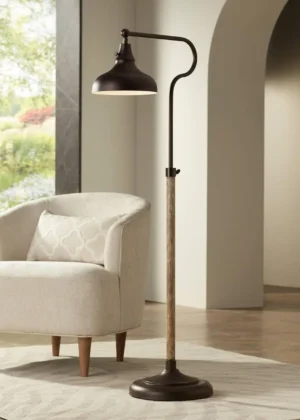

Adjustable Arc Floor Lamp, Bronze Arc Floor Lamp
Price range: $440.95 through $558.52 Select options This product has multiple variants. The options may be chosen on the product page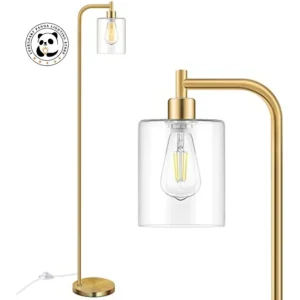

Brass Arc Floor Lamp, Contemporary Arc Floor Lamp, LED Arc Floor Lamp
Price range: $490.72 through $522.04 Select options This product has multiple variants. The options may be chosen on the product page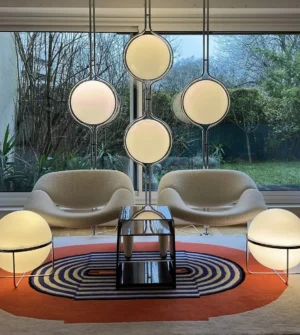

Chrome Arc Floor Lamp, LED Arc Floor Lamp
Price range: $304.95 through $1,210.40 Select options This product has multiple variants. The options may be chosen on the product page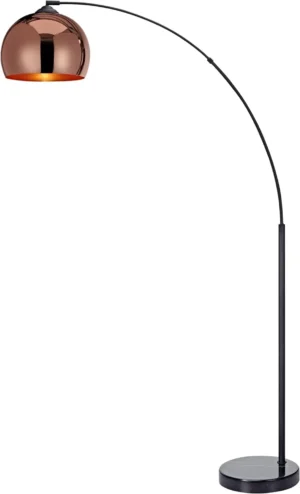

Contemporary Arc Floor Lamp, Large Arc Floor Lamp, Marble Base Arc Floor Lamp
$224.94 Select options This product has multiple variants. The options may be chosen on the product page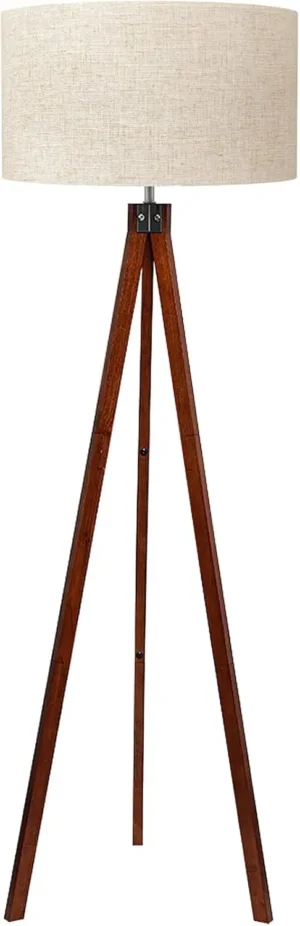

Mid-Century Arc Floor Lamp, Wood Arc Floor Lamp
$230.86 Select options This product has multiple variants. The options may be chosen on the product page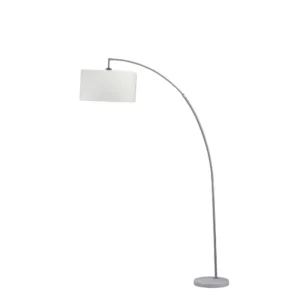
Contemporary Arc Floor Lamp, Silver Arc Floor Lamp
$459.99 Select options This product has multiple variants. The options may be chosen on the product page
Why Metal Remains Essential in Modern Lamp Construction
Despite advances in materials science and the availability of new synthetic alternatives, metals continue to dominate lamp construction for several compelling reasons.
First, metals offer unmatched electrical properties—copper and brass provide excellent conductivity with minimal resistance, reducing energy loss and heat buildup. These properties are crucial for safe and efficient electrical transmission from plug to bulb.
Second, metals provide structural integrity that few materials can match. The strength-to-weight ratio of steel, aluminum, and brass allows lamps to be both sturdy and elegant without excessive bulk. A steel lamp stem can be relatively thin while supporting significant weight above it.
Third, metals excel at heat management—a critical consideration around light bulbs. While plastic might melt or degrade near a hot incandescent bulb, metals like brass can safely dissipate heat away from sensitive components.
From a sustainability perspective, metal lamp components offer significant advantages. Most lamp metals are highly recyclable—brass, aluminum, and steel can be melted down and reused with minimal quality loss, unlike most plastics. Many high-quality metal components can last decades or even centuries with proper care, contributing to the extended lifespan of an arc lamp or other lighting fixture.
Finally, metals provide aesthetic versatility that other materials simply cannot match—from the warm glow of polished brass to the cool sophistication of brushed nickel, metals offer finishes and textures that complement any design style.
How to Identify and Maintain Different Lamp Metals
Correctly identifying the metals in your lamp is the first step toward proper maintenance. Here’s how to recognize common lamp metals:
- Brass: Usually yellow-gold in color, brass develops a distinctive patina over time. Test with a magnet—genuine brass is non-magnetic.
- Steel: Often silver-colored unless painted, steel is magnetic and typically heavier than aluminum.
- Chrome: Has a brilliant, mirror-like silver finish over another metal. Chrome plating can chip or flake when damaged.
- Bronze: Darker than brass with brownish undertones, often with an antiqued finish.
- Aluminum: Lightweight with a duller silver color than chrome, aluminum is non-magnetic.
Proper care for each metal type:
Brass and Bronze
– Clean with a solution of equal parts white vinegar, salt, and flour
– Rinse thoroughly and dry completely
– Apply a thin coat of lemon oil or specialized metal polish
– Consider allowing natural patina to develop for antique pieces
Chrome and Stainless Steel
– Wipe with a soft cloth dampened with water and mild dish soap
– Dry immediately to prevent water spots
– Use a specialized chrome polish for stubborn tarnish
– Avoid abrasive cleaners that can scratch the surface
Painted Metal Surfaces
– Dust regularly with a soft, dry cloth
– Clean with a barely damp cloth and mild soap when needed
– Touch up chips with matching paint to prevent corrosion
– Avoid chemical cleaners that might damage the paint finish
Warning signs to watch for include corrosion (especially at joints), loose connections, excessive heat at any metal component, or visible damage to plated finishes.
When to Seek Professional Lamp Repair for Metal Components
While many lamp issues can be addressed with DIY solutions, certain metal component problems require professional attention. Knowing when to call a professional can save time, prevent further damage, and ensure safety.
Consider professional repair when:
- Electrical components show signs of damage (scorching, melting, or corrosion)
- Threaded metal parts are stripped or cross-threaded
- Structural metal components are bent, broken, or no longer properly aligned
- Antique or valuable lamps need restoration without compromising value
- Metal plating is extensively damaged or needs refinishing
Special challenges with metal lamp components include:
- Rewiring through narrow or curved metal stems
- Matching historic finishes on antique brass or bronze
- Repairing stripped threads on crucial connection points
- Restoring structural integrity to damaged bases or stems
For valuable or antique lamps, look for repair specialists with experience in lighting restoration rather than general repair shops. Many metal components in older lamps were custom-made and require specialized knowledge to properly repair or recreate.
Before deciding between repair and replacement, consider both the lamp’s value and the complexity of the repair. For high-quality fixtures like those featured in our guide on why arc floor lamps are a good choice, professional repair often makes more sense than replacement, preserving both the lamp’s value and character.
Understanding Terminology: Do Lamp Metals Have Alternative Names?
Navigating lamp terminology can be confusing as different manufacturers, regions, and eras often use varying terms for identical parts. Here’s a guide to common terminology variations:
Base vs. Foot vs. Stand
These terms all refer to the bottom component that provides stability. “Base” is most common in North America, while “stand” appears more frequently in European descriptions. “Foot” is occasionally used for decorative bases with distinct leg-like projections.
Stem vs. Rod vs. Column vs. Pole
All describe the vertical support extending from the base. “Stem” is widely used for table lamps, while “pole” often refers to floor lamp supports. “Column” typically appears in descriptions of more substantial or decorative vertical components.
Harp vs. Spider vs. Frame
While these are technically different components, consumers sometimes confuse them. The harp is specifically the U-shaped wire supporting the shade, while a spider is part of the shade itself. Older documentation sometimes refers to harps as “shade holders” or “shade supports.”
Finial vs. Cap vs. Topper
“Finial” is the correct technical term for the decorative piece that secures the shade, but “cap” and “topper” appear in casual references and some retail descriptions.
Regional variations add further complexity—British descriptions might refer to the “lampholder” rather than “socket,” and Australian terminology sometimes uses “light fitting” for the same component.
For vintage or antique lamps, terminology can reflect the era of manufacture. Early electric lamps often retained terms from oil lamp components, such as “font” (the oil container), which was repurposed to describe the main body of early electric models.
Our complete arc floor lamp guide includes comprehensive terminology to help you navigate these variations when researching or purchasing lamps.